

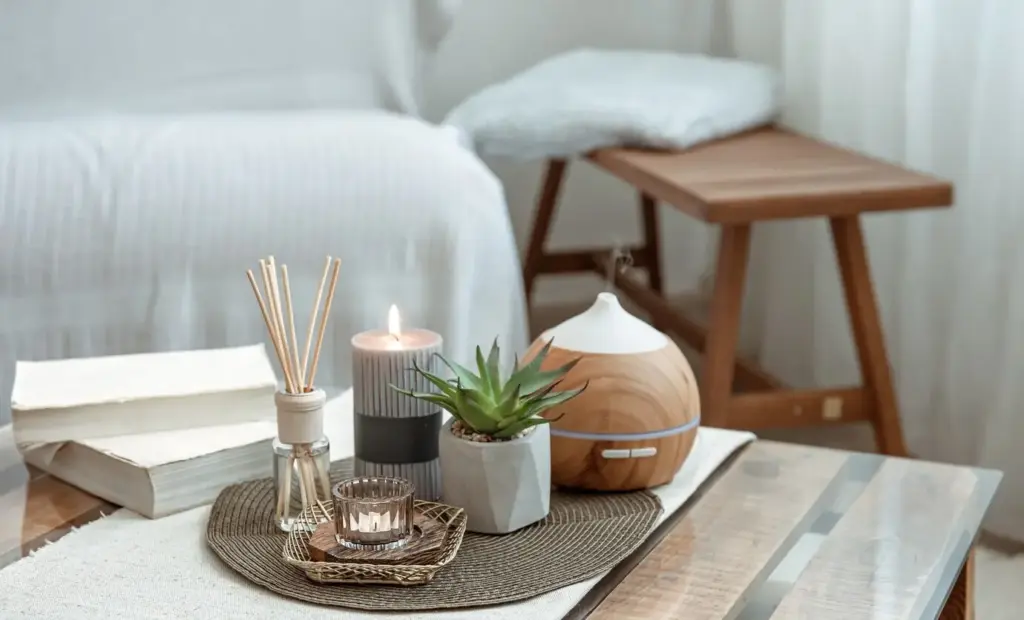

Micro-signals that prime action
Subtle shifts like a hallway lamp warming as you approach the kitchen can prime hydration before coffee. Micro-signals work because they feel natural, stackable, and low effort. We’ll explore sensory thresholds, duration, and placement so cues help, not distract, even on unpredictable mornings.
Habit stacking with connected prompts
Pairing a desired action with something already automatic creates momentum. When blinds rise as you finish brushing, stretching becomes a natural follow‑up. We’ll map existing anchors, attach supportive triggers, and pace increases thoughtfully, transforming scattered intentions into a dependable chain that sustains itself through routine variability.

Environment design that removes friction
Good environments make the right action the easiest choice. Soft light near the front door can prompt grabbing a reusable bag. A gentle thermostat nudge encourages an early shower. We’ll balance convenience with autonomy, ensuring interventions remain optional, predictable, and reversible with a single word or tap.


Consent-first routines and transparency
Before enabling a routine, preview actions, triggers, data uses, and failure modes in plain language. Offer reminders that reconfirm consent after updates. Transparency converts uncertainty into understanding, ensuring each helpful nudge remains a choice, not a surprise, and residents can withdraw participation instantly without penalty or hassle.

Data minimization and private defaults
Collect only what is necessary to deliver value, keep raw data local when possible, and anonymize aggregate summaries. Provide clear retention controls. Private defaults allow participation without anxiety, demonstrating respect that invites deeper engagement later, once comfort grows and tangible benefits outweigh perceived risks.

Designing for families and shared spaces
Multiple people complicate preferences, permissions, and schedules. Build profiles, quick switches, and visible indicators showing who is affected before anything changes. Incorporate child‑safe modes, guest passes, and conflict resolution flows. Harmony emerges when everyone feels informed, capable, and respected, even during disagreement or overlapping routines.