



Small Signals, Big Change at Home

Today we explore Household Cues for Better Habits, turning ordinary rooms into silent partners for change. You will learn how placement, light, sounds, and simple objects spark routines automatically, and how tiny frictions shift decisions without willpower. With research-backed tactics, personal stories, and practical checklists, we’ll build inviting signals that fit your style, family, and schedule. Stay to share your experiments in the comments and subscribe for weekly room-by-room prompts that keep progress playful.

Understanding Cues: How Your Space Shapes Behavior

The Habit Loop at Home

Connect everyday triggers with immediate, simple actions and satisfying finishes. Place a filled bottle where your hand lands first, pair mail sorting with a favorite song, and finish each loop by noticing a small win. The feeling of completion is the reward that teaches your rooms to nudge you again tomorrow without extra effort.

Context and State-Dependent Actions

Habits replay where they were learned, so reshape the stage. Keep floss where you actually brush, not buried in a drawer. Put yoga blocks beside the rug that always hosts your laptop. By tying actions to specific places and moods, you resurrect good intentions precisely when they matter.

Why Tiny Signals Matter

Small prompts compound because they fire repeatedly. A bright bowl of fruit beats willpower at 9 p.m., and a sticky note on the TV remote can rescue reading goals. Change what is obvious, easy, and immediate, and your future self appears more often without dramatic effort.

Design Your Morning with Intentional Signals

Morning momentum is built before sunrise by staging visible prompts that remove thought and reduce friction. When your kitchen, bathroom, and entryway quietly announce the next right action, you skip decision fatigue and slide into movement. Together we will stack simple cues, beat snooze battles, and make your first hour a reliable springboard for everything afterward.

Coffee Maker as Prompt for Stretching

Prep the machine at night and place a rolled mat beside it, so brewing becomes a bell that starts ninety seconds of spine-friendly mobility. Keep a timer on the counter, cue a playlist, and celebrate with the first sip. Repeat daily until the smell of coffee automatically opens your hips.

Nightstand Stack Method

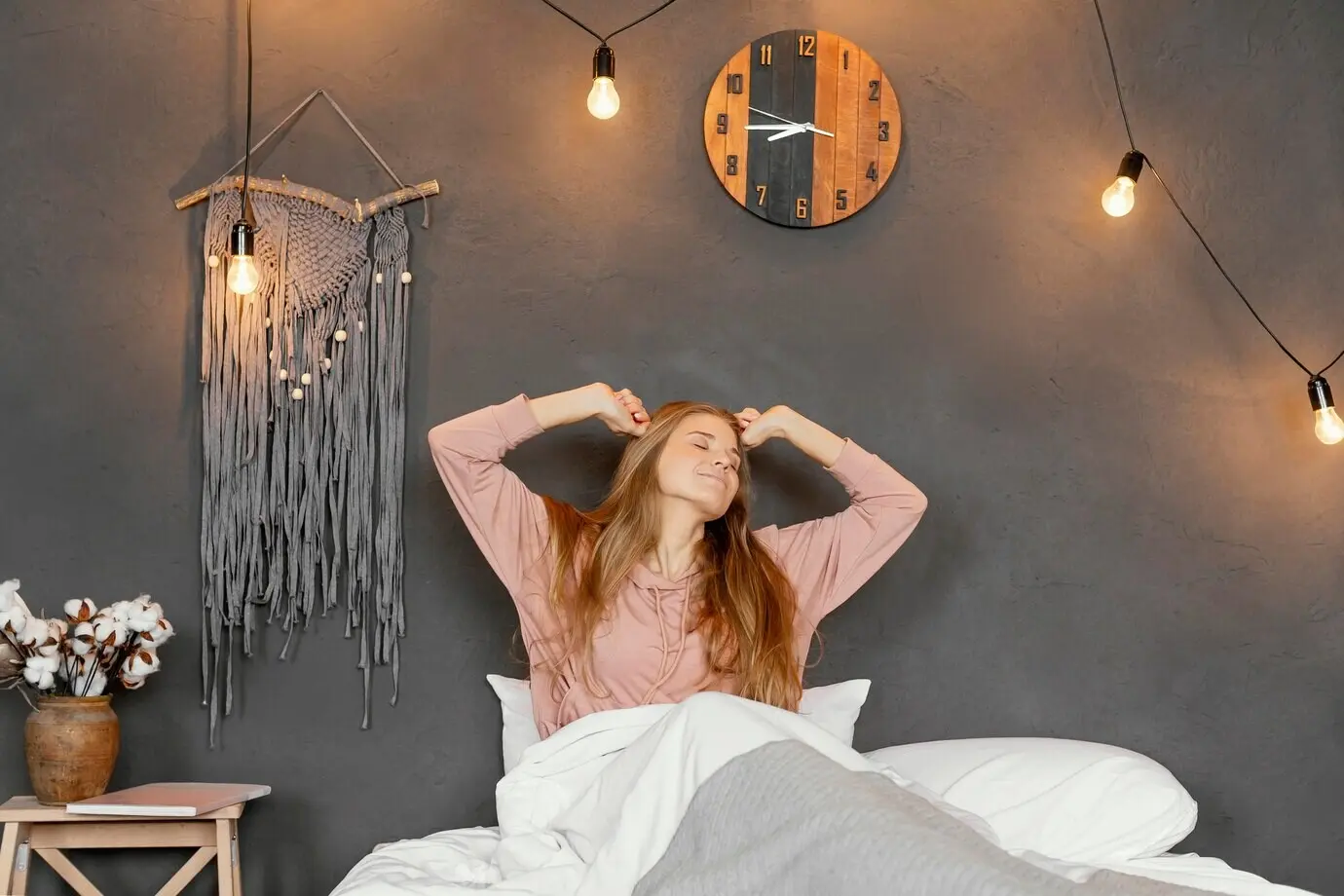
Put your journal, glasses, and a single-page checklist on top, plus workout clothes within arm’s reach. On waking, your hands touch evidence of the plan before your phone. This gentle trap turns groggy minutes into a guided sequence that starts writing, hydration, and movement without bargaining.

Sunlight and Alarm Positioning

Place the alarm near the brightest window or a sunrise lamp, far from bed, and pair it with opening curtains immediately. Let natural light cue cortisol’s rise while your body remains busy walking. The arrangement nudges alertness, making snooze awkward and motion the easiest, most pleasant next step.

Friction and Flow: Make Good Choices Easy

Good habits thrive when the desired action is frictionless and the alternative is a little annoying. By adjusting visibility, reach, and default routes through rooms, you make healthy choices feel obvious while distractions feel inconvenient. This section shows how to engineer effortless flow so consistency survives busy days, guests, and low-motivation evenings.

Open Display, Hidden Distractions

Place fruit, water, and athletic shoes in your line of sight, and tuck cookies, chargers, or game controllers in opaque bins. What the eyes meet, the hands follow. Curate shelves and counters like a friendly storefront that sells the future you want to buy every day.

The Two-Minute Setup Strategy

Shrink the startup cost so the first two minutes are irresistible. Pre-load the blender with ingredients, lay out the sketchpad with a sharpened pencil, and open your reading app to the bookmarked page. When initiation feels trivial, the session continues naturally because momentum replaces motivation.

Path of Least Resistance

Arrange furniture and storage so your body naturally flows past helpful prompts. A hamper by the bathroom door doubles laundry completion. A charging tray at the entry empties pockets and prevents clutter. Design walking paths that physically escort you toward choices you promised yourself yesterday.

Evening Wind-Down Anchors for Rest and Recovery

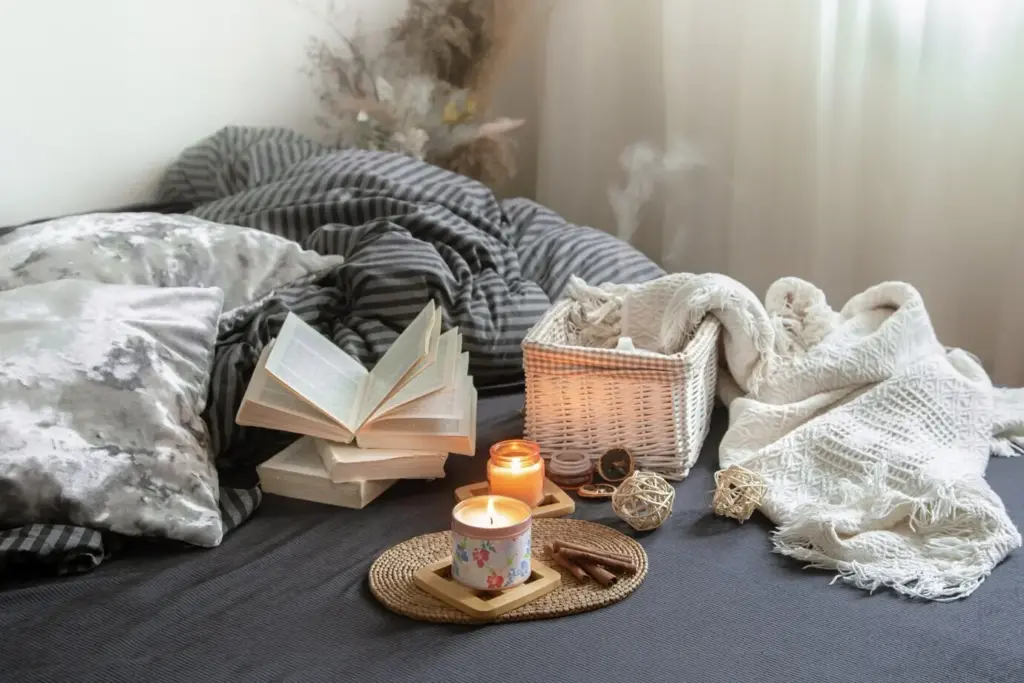
Restful nights begin with predictable signals that ease your nervous system into quiet. By dimming lights, simplifying surfaces, and prewriting tomorrow’s priorities, you reduce mental load and temptations. These reliable anchors help you fall asleep faster, wake calmer, and protect the late hours from decision spirals and endless scrolling.

01

Lighting Rituals that Signal Calm

Swap harsh bulbs for warm, low lamps on timers, and put dimmers where you unwind. A single switch near the bedroom door can cascade the message that evening has begun. Your eyes tell your brain to slow down long before you feel sleepy, making rest arrive gently.

02

Screens Out, Stillness In

Charge devices outside the bedroom and stage a paperback on the pillow. Keep a small notebook and pen on your nightstand to catch racing thoughts. By replacing blue light with quiet ink, you make calm the default and give sleep the clearest possible invitation.

03

Closing Loops for Tomorrow

End the evening by laying out clothes, packing a bag, and writing the top three wins you’ll chase tomorrow. These visible commitments lower anxiety and stop late-night planning. Your future morning greets prepared scenes that direct action before doubts get a chance to speak.

Visible Agreements on the Fridge

Use a magnetic calendar, color dots, and a habit scoreboard that tracks streaks, not perfection. Keep pens attached with string so the update is effortless. When commitments live where snacks do, everyone sees progress at eye level and contributes before reminders are needed.

Shared Triggers, Separate Rewards

Set a family water bell every hour, but let each person choose a reward: stickers, a checkmark, or two minutes of music. Common cues coordinate effort, while personalized endings make it satisfying. This balance builds autonomy, avoids resentment, and preserves enthusiasm across different personalities.

Gamify the Cues Without Chaos

Create a visible jar for completed prompts—keys hung, dishes rinsed, workouts started—and drop colored beads as proof. Trade full jars for a shared movie night. The playful counting turns good behavior into a game, keeping focus on actions instead of blaming or nagging.

Family and Roommate Signals that Stick

Shared spaces amplify signals because people mirror one another. When households make prompts visible and agreements easy, collective momentum carries everyone. We will explore playful boards, gentle reminders, and private rewards so each person feels supported without nagging. The result is kindness, accountability, and fewer arguments about chores or routines.

Sustaining Momentum: Measure, Iterate, Celebrate

Change sticks when you measure lightly, iterate weekly, and celebrate progress loudly. A gentle audit reveals which signals fire, which misfire, and where friction hides. By testing one adjustment at a time, you can keep what works, retire what doesn’t, and invite friends to learn from your experiments.
Ranizuxifuzife
Privacy Overview

This website uses cookies so that we can provide you with the best user experience possible. Cookie information is stored in your browser and performs functions such as recognising you when you return to our website and helping our team to understand which sections of the website you find most interesting and useful.