

Design Every Room Around the Habits You Want
Today we’re diving into designing each room to support specific habits. Learn how thoughtful placements, visual cues, lighting, and routines turn spaces into reliable partners: a bedroom that boosts mornings, a kitchen that simplifies healthy eating, a living room that fosters connection, an office that preserves deep work, and more. Share your own layouts and questions as we build together.
Morning Momentum in the Bedroom
Lighting That Nudges Gentle Wake-Ups
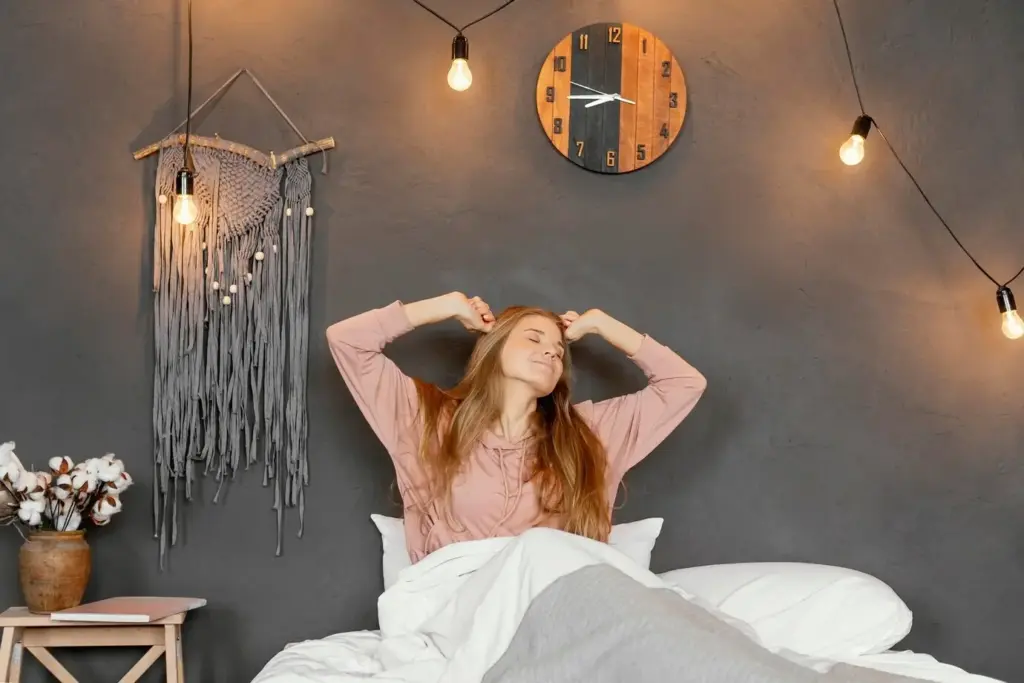
Use a sunrise alarm or smart bulbs to gradually raise light before you wake, syncing with your circadian rhythm and reducing grogginess. Position the switch near the door and a warm bedside lamp by your journal, encouraging a short reflection before screens intrude on attention.
Cueing Quick Wins: Clothes, Journal, Water
Lay out a complete outfit and socks where your hand naturally reaches after turning off the alarm, place a prefilled water glass on a coaster, and keep a pen uncapped in your journal. These effortless starts create momentum that carries into exercise, reading, or mindful breathing.
Tech Boundaries for Restful Sleep and Focused Mornings
Charge your phone outside the room and use an analog alarm to break the reflex of late-night scrolling. Add a small tray for earplugs and eye mask, and store a book at eye level. Clear, reachable alternatives make better boundaries feel easy, not restrictive.
Kitchen as a Habit Architect
Design the kitchen for effortless nourishment: visible produce, prepped proteins at eye level, knives that stay sharp, and a compost bin within reach. Clear counters invite action; labeled containers remove guesswork. By shrinking effort at crucial moments, you turn good intentions into weeknight reality and weekend consistency. Many home cooks report this single shift finally made healthy meals the easy default, even on rushed evenings.
Pantry Zoning that Promotes Better Choices
Create zones: quick breakfasts near the coffee maker, whole grains with measuring cups, and snacks behind fruit so produce is seen first. Transparent bins and simple labels cut friction and signal default decisions, helping tired brains select options aligned with your goals.
Prep Stations That Streamline Weeknight Cooking
Place cutting boards vertically by the sink, knives on a magnetic strip, and a trash bowl ready at the edge. Keep oils, salt, and tongs near heat. A well-orchestrated triangle turns chopping, searing, and cleanup into a swift, satisfying flow that invites repetition.
Visibility Tricks: Bowls, Fridge, Labels
Use a prominent fruit bowl, front-load precut vegetables, and store desserts in opaque containers on lower shelves. Put sauces in clear squeeze bottles and date labels on leftovers. When the healthiest options are easiest to see and reach, decisions become automatic and kinder.
Living Room for Connection and Recovery
Conversation Islands, Not TV Altars
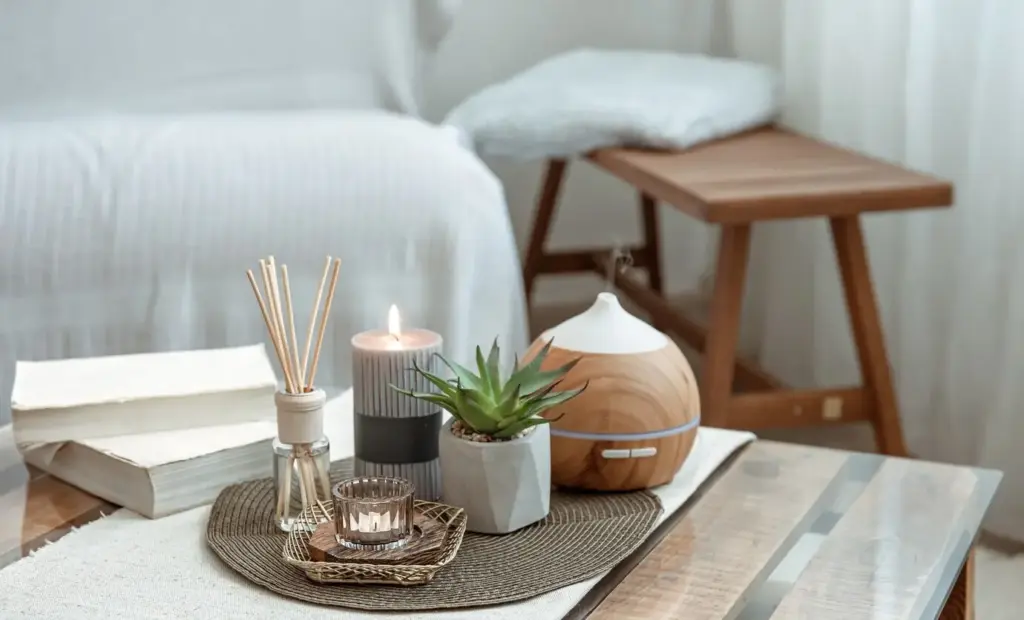
Cluster chairs around a small table with a plant or candle, orienting focus inward. Mount the television on a swivel and tuck remotes in a lidded box. By making conversation the default path, you cultivate closeness, curiosity, and nightly debriefs that truly matter.
Micro-Movement Corners for Consistency
Leave a yoga mat rolled and a resistance band on a hook, pair them with a timer and water bottle. Two intentional minutes during commercials or between chapters accumulate. Making movement obvious, safe, and welcoming turns sporadic aspirations into a dependable daily rhythm.
Evening Wind-Down Rituals Embedded in Design
Keep a basket with slippers, a cozy throw, and lavender spray by the couch. Dimmer switches guide the body toward sleepiness. A gratitude card deck on the coffee table nudges conversation that closes loops, reduces stress, and cues a predictable, earlier bedtime.
Home Office that Protects Deep Work
Guard attention by isolating cues for focus and recovery. A single-purpose desk, neutral backdrop, and task lighting reduce noise. Physical boundaries for email, meetings, and creative sprints clarify modes. Ending the day with a visible shutdown ritual preserves energy and tomorrow’s momentum. After one week of a visible shutdown practice, readers frequently describe deeper sleep and a clearer, more decisive start the next morning.
Entryway That Automates Great Starts
The first and last steps through the door shape entire days. Design a launchpad for keys, bags, and reminders; add hooks at child height; and include a mirror and soft light. Consistent placement reduces searching, lateness, and stress while reinforcing dependable, supportive routines. Several neighbors told us a labeled tray cut their exits by minutes and soothed school-day chaos almost overnight.



Bathroom as a Micro-Habit Lab
Short, repeatable actions thrive here. Store floss in front of toothpaste, stage skincare by sequence, and place vitamins beside the glass. Warm, dimmable lights cue winding down while a small speaker supports timed routines. When steps are obvious, consistency wins even on hectic days. One reader tracked flossing rates and saw them double by moving picks next to toothpaste and adding a friendly sand timer.
Sequence Placements that Make Healthy Steps Obvious
Arrange items left to right based on use order, and add a small tray for nighttime prescriptions. A sand timer beside the toothbrush builds accurate brushing; a floss pick jar removes barriers. Sleek, open visibility sustains habits without bulky organizers or complicated rules.
Timers, Mirrors, and Scent Cues
Use a gentle chime to pace skincare or stretches, hang a magnifying mirror for precision tasks, and keep calming essential oils nearby. These sensory prompts shape tempo and attention, turning necessary maintenance into a grounding ritual that you actually look forward to.
Nighttime Recovery: Warm Light, Towel Rituals
Swap harsh bulbs for warm, low-lumen options and stack fresh towels within easy reach. A short breath routine while drying becomes an anchor to release the day. When lighting and touch align, the body understands it is safe to settle.

All Rights Reserved.